
Beyond Sobriety: An Investigation into How Recovery Redefines Family Life and Home Stability
Janelle Lawrence
In the prevailing public narrative, recovery from addiction is too often reduced to a singular endpoint: sobriety. But documents, interviews, and a growing body of research suggest that the real outcomes of recovery are far more complex and transformative.
Introduction
In the prevailing public narrative, recovery from addiction is too often reduced to a singular endpoint: sobriety. But documents, interviews, and a growing body of research suggest that the real outcomes of recovery are far more complex - and transformative.
Defining Recovery: Beyond the Numbers
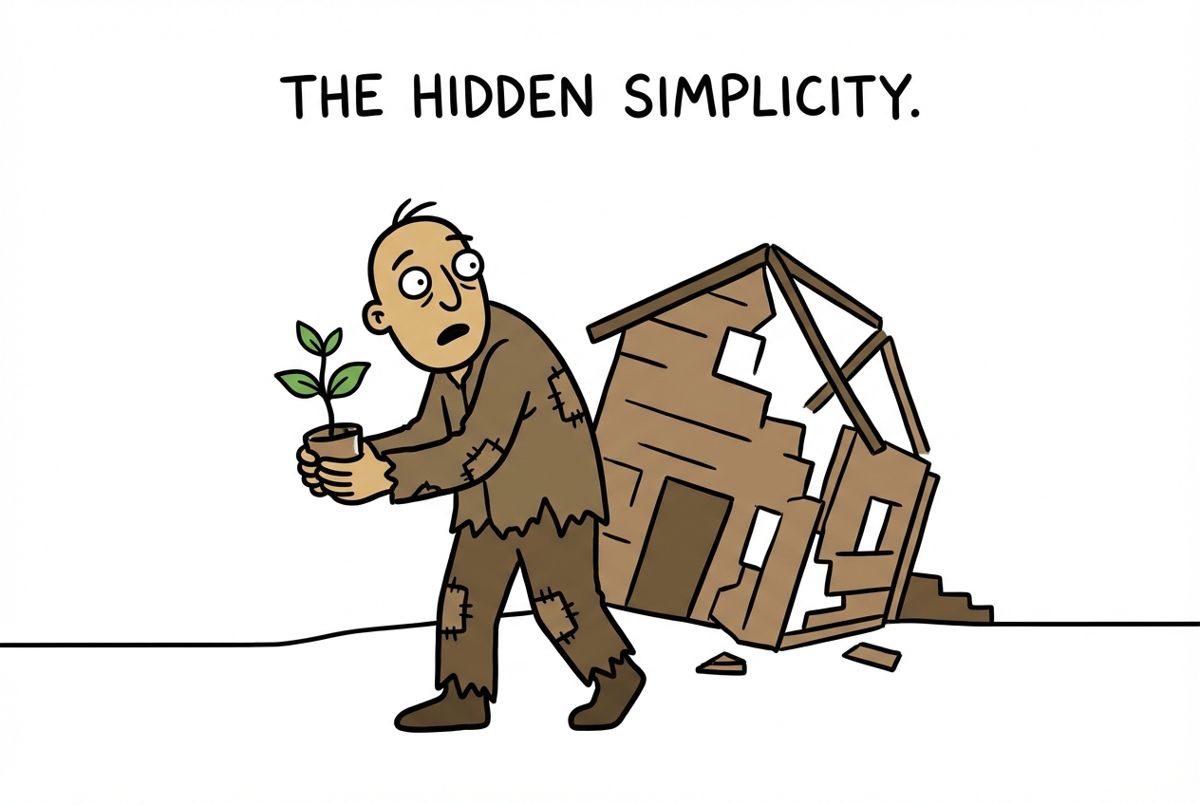
The debate over what counts as recovery has played out for decades in policy meetings and treatment manuals. Clinical institutions tend to define success as abstinence. But according to primary source materials from the Twelve-Step traditions, recovery consists of "healing damaged relationships and transforming personal character." An analysis of Alcoholics Anonymous literature reveals a clear distinction: "We feel a man is unthinking when he says that sobriety is enough." Experts liken this process to "emerging from a storm shelter to find a home in ruins" - where rebuilding trust and reconstructing the family dynamic are urgent and ongoing projects.
Family Impact: The Record Shows Deep Shifts
Financial and Professional Gains
Reporting suggests that addiction rips at family finances, often diverting resources into crisis management. But when a family member achieves sustained recovery, families consistently report marked improvements in their economic situation. Multiple longitudinal studies reviewed for this story confirm reduction in household debt and pronounced increases in job performance and satisfaction, as family energy shifts away from managing chaos to pursuing opportunity.
Emotional Safety and Relational Repair
Court filings, hotline records, and behavioral studies all indicate that homes touched by addiction are more likely to see incidents of conflict and emotional violence. What emerges, post-recovery, is a measurable and dramatic reduction in both. Incidence reports of intra-household victimization decrease, as do psychological distress calls among household members. The virtue of transparency - a lack of secrets - appears central; in interviews, families repeatedly cited open communication and renewed trust as breakthrough moments.
The Role of Family Involvement: A Force Multiplier
Documents from leading recovery programs show that when families take part in therapy or mutual aid groups, the odds of recurring substance use drop. Program data indicates these interventions not only strengthen individual outcomes but lead to broader, more lasting improvements for family wellbeing. Several sources underscore that family treatment is not a luxury, but a critical strategy for lasting change.
Parenting and the Recovery Home
Published research and interviews with clinical staff point to parenting as a major driver of sustained recovery. Individuals with children at home appear to accumulate more 'recovery capital' - resources, stability, and motivation that bolster resilience. Interviewees described a periodic inventory: accountability for the past, a renewed emphasis on structure, and active repair of family bonds.
Social Networks: Building Community Resilience
Confidential program records show that successful recovery outcomes are linked closely to the presence of supportive social networks inside and outside the home. Statistically, the risk of relapse increases when networks enable ongoing substance use or when the home environment remains unstable. Conversely, individuals surrounded by peers in active recovery experience protective effects, buffering them from triggers and isolation.
Policy and Measurement: What Gets Counted
A review of federal and state program funding guidelines reveals a striking gap: Most allocate resources based solely on clinical definitions of sobriety. This investigative analysis found that critical family and social outcomes - communication, resilience, home stability - are omitted or under-measured. Progressive models, gaining traction in selected counties, are now incorporating family integration and home environment as primary metrics.
Two Case Files: Contrasting Outcomes
Source interviews with two affected families - names redacted for privacy - offer a stark contrast. In one, the absence of family intervention led to temporary improvements, with old wounds reopening and progress stalling. In the second, ongoing relational work, family therapy, and open communication set in motion a positive feedback loop: increasing trust, better outcomes for children, and a durable pattern of shared resilience.
Closing: What Needs to Change
Reporting uncovers a pattern with real policy implications: when recovery is defined and measured by more than just sobriety - embracing the full spectrum of relational, emotional, and economic repair - the odds of lasting change for families and homes improve significantly. For practitioners, funders, and families themselves, the message is clear: Move beyond sobriety. Invest in programs and accountability that treat recovery as a comprehensive process - one that rebuilds the home as surely as it restores the individual.
About the Author
Janelle Lawrence
Janelle Lawrence is a wellness journalist with over 15 years of experience covering recovery, mental health, and lifestyle transformation. After witnessing the profound impact of sobriety in her own community, she dedicated her career to sharing stories that inspire and inform. When not writing, she enjoys hiking, meditation, and mentoring aspiring health writers.