Health

Health

67 articles • Page 3 of 5

Reclaiming the Default: Sobriety and the New Science of Weight Loss

Reclaiming the Default: Sobriety and the New Science of Weight Loss

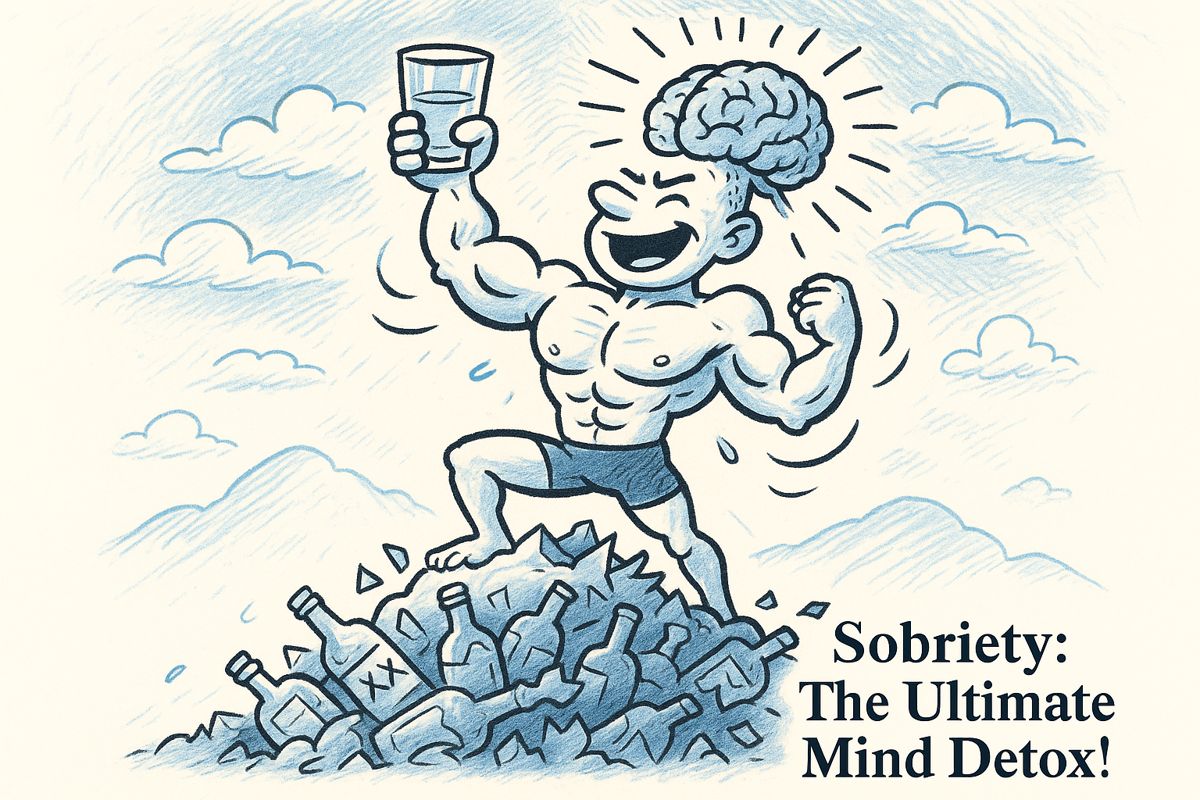
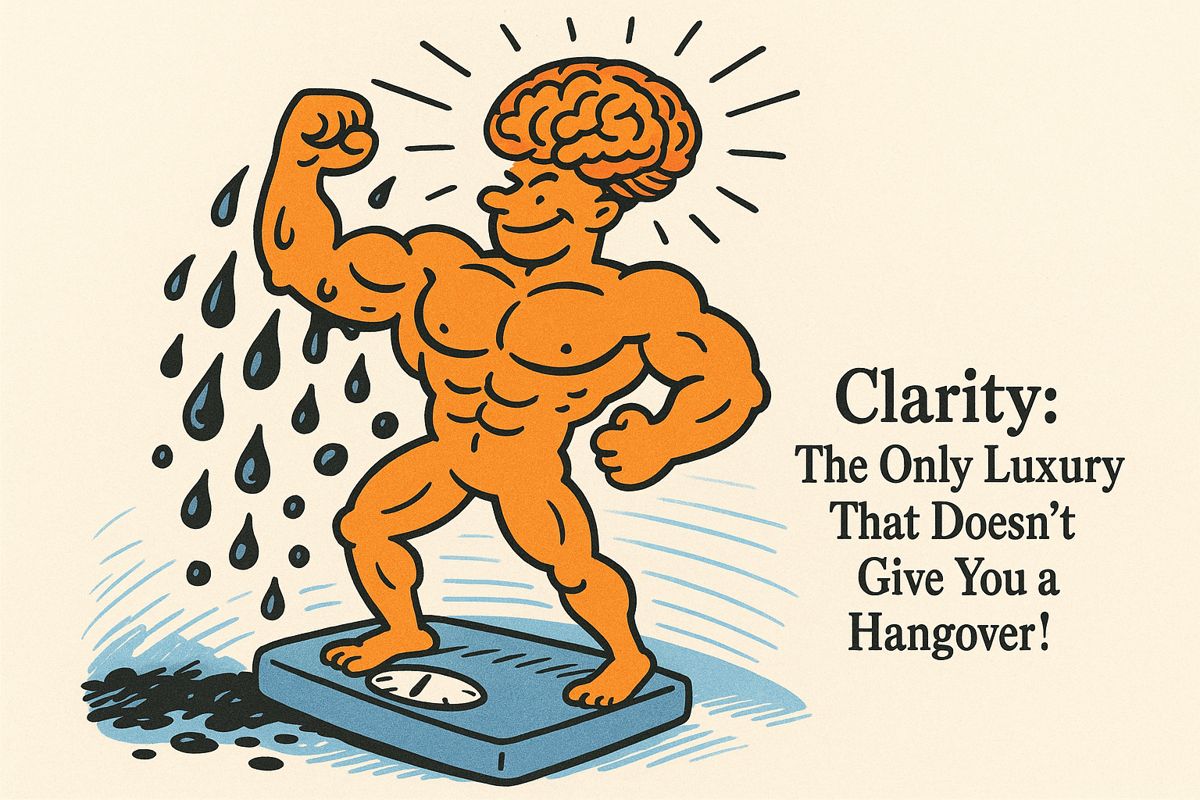
Sobriety, when combined with new medications like bimagrumab and semaglutide, can help people lose over 22 percent of their body weight while keeping their muscles strong. Drinking alcohol, on the other hand, clouds your mind and acts like grit in a welloiled machine, making everything harder and slower. The latest science shows that a clear mind and healthy habits bring a sharpness to life, like waking up in a city after a fresh rain. Real change isn't about missing out; it's about feeling alive, present, and free from the fog alcohol brings. Why choose sludge when you could run on clean fuel?
Can AI Become Your Life Saver? Rethinking Health, Sobriety, and Second Opinions

Can AI Become Your Life Saver? Rethinking Health, Sobriety, and Second Opinions

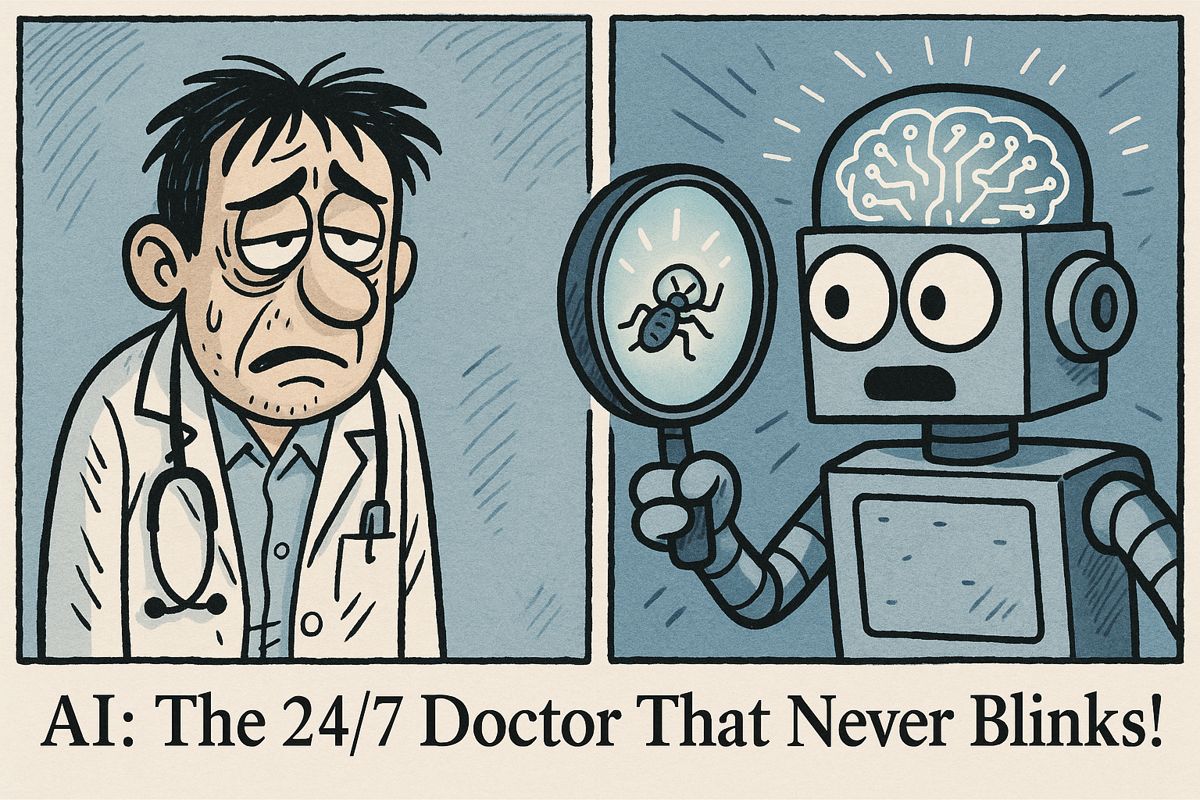
AI like ChatGPT is now catching urgent illnesses that exhausted doctors sometimes miss, saving lives with sharp, digital eyes. In a 2023 study, the chatbot diagnosed 146 out of 150 realworld medical cases, showing how its tireless attention can outshine human error, especially at 2am when worry crackles in the air and fluorescent lights hum overhead. These stories aren't just numbers; they're real people - like the mother whose sleepless instinct was confirmed by an algorithm when her child's pain was brushed off. Both sobriety and vigilant technology act as early warning systems, returning us to our natural state before disaster strikes. While AI isn't flawless, pairing human intuition with algorithmic vigilance turns prevention from a luxury into a lifeline.

Out of the Shadows: The Food Industry Embraces a Return to the Natural

Out of the Shadows: The Food Industry Embraces a Return to the Natural

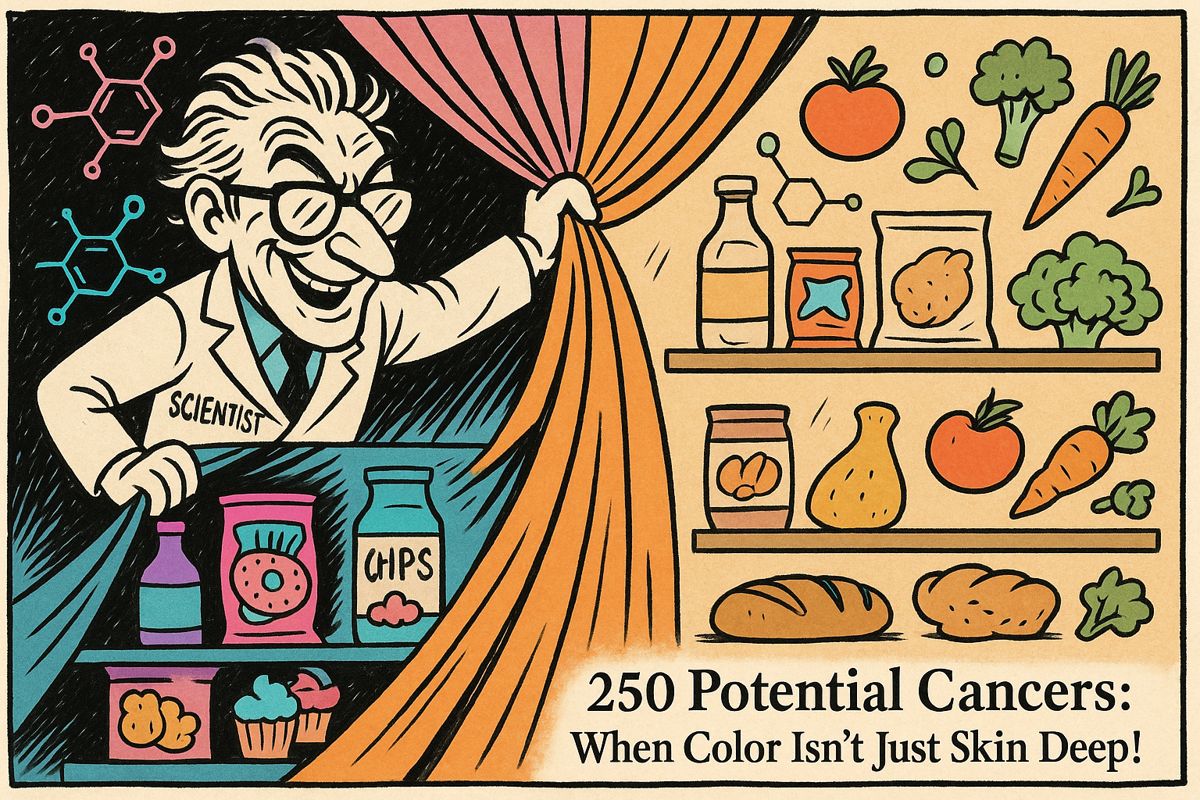
Big food companies like Kraft Heinz and General Mills are finally ditching artificial dyes after years of warnings about their health risks, especially for children. The old neonbright foods are fading away, replaced by the warm golds and reds of spices and vegetables; the sharp chemical smell in the fridge is gone, replaced by something earthy and real. For decades, we let these synthetic colors slip into our lives, but now, as research piles up and parents push back, the industry is being forced to listen. Returning to natural colors isn't just about health it's about reclaiming a sense of respect for our bodies and what we eat. Change comes quietly, like a soft curtain lifting, but suddenly the world looks different.

Ancient Wine, Modern Myths: How the Romans Fooled Themselves - and Why We Need Clarity

Ancient Wine, Modern Myths: How the Romans Fooled Themselves - and Why We Need Clarity

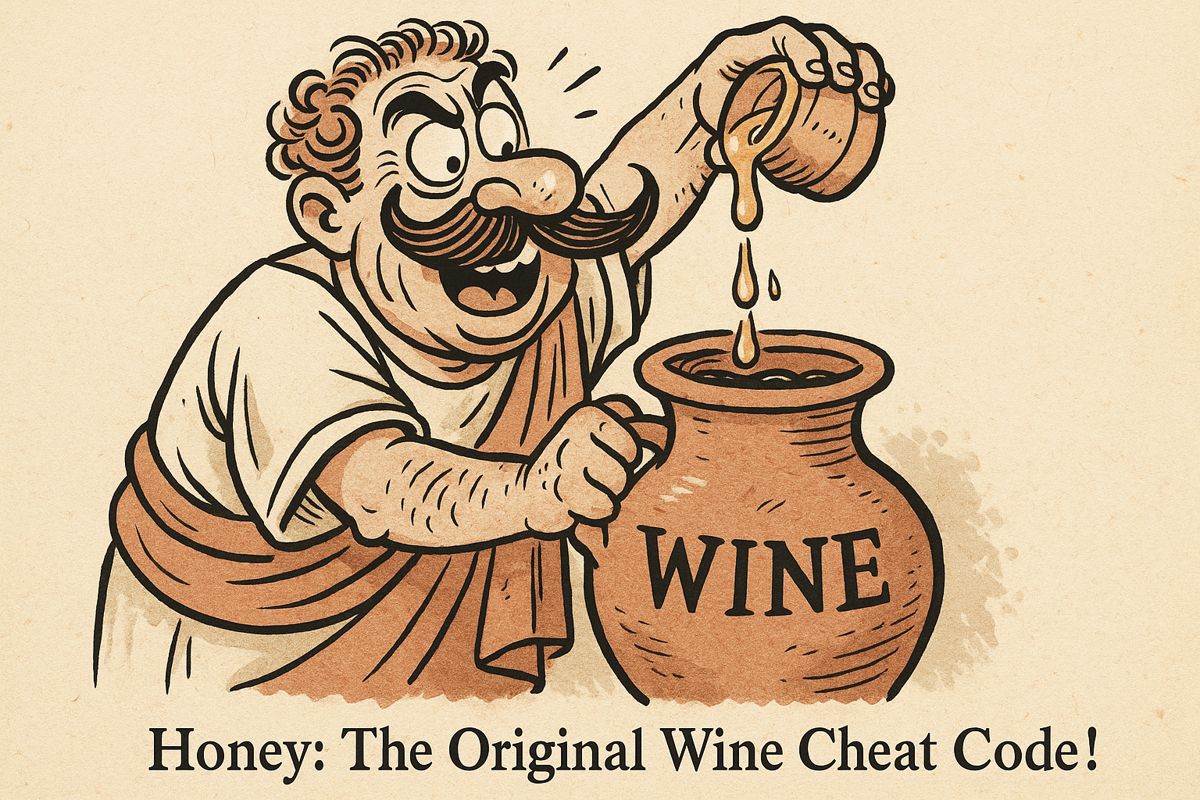
Ancient Roman wine was no sweet elixir, but a harsh, doctored brew often masked with honey and herbs to make it drinkable. The famous Roman banquets were less about pleasure and more about covering up the taste of what was closer to sticky cough syrup than fine wine. Even ancient writers like Pliny the Elder complained about these deceptions, revealing that myths around alcohol have fooled people for centuries. Modern research and personal reflection show that clarity and sobriety offer a sharp, honest joy the Romans likely never tasted. The truth behind the legend is less golden feast, more clever illusion.

Redrawing the Map: France and the Sobriety of a Screen-Free Childhood

Redrawing the Map: France and the Sobriety of a Screen-Free Childhood

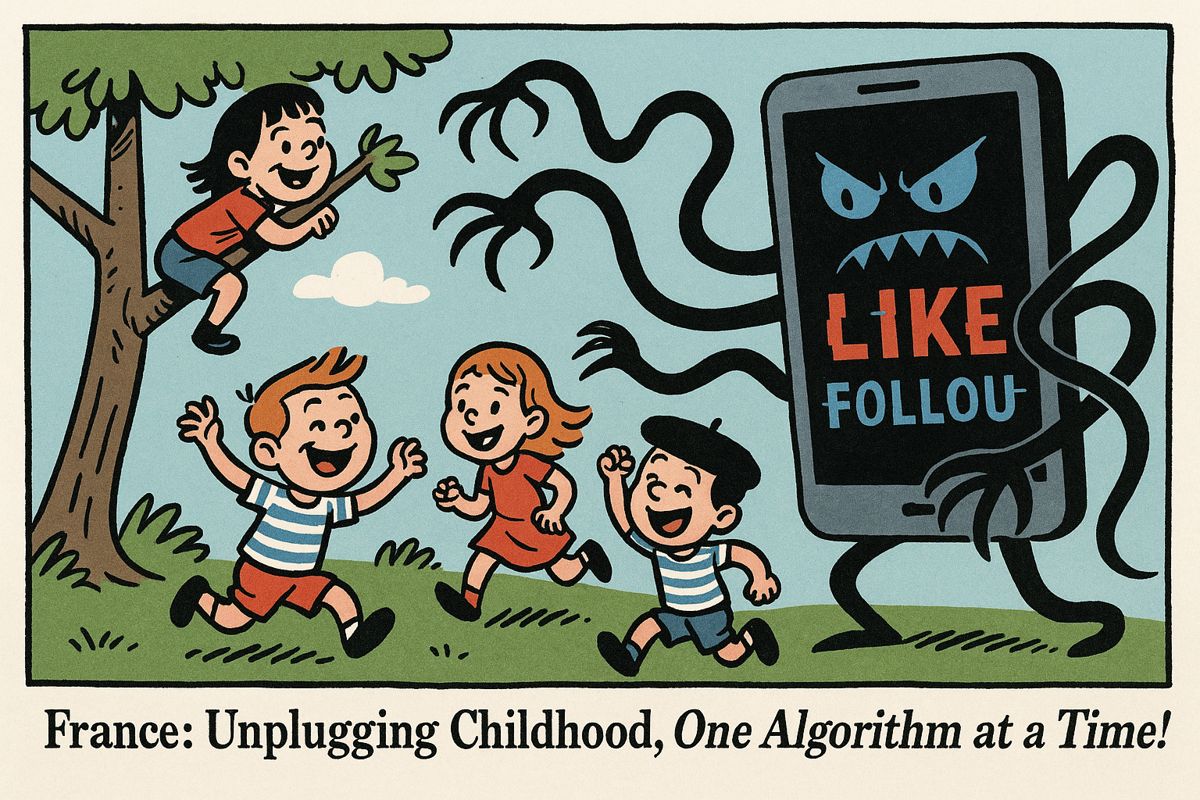
Here's the text with the most important phrase in bold: France wants to ban social media for kids under 15, hoping to protect them from addictive apps like TikTok and Instagram. President Macron, moved by a tragic school attack, believes real childhood happens outdoors, not behind screens. The digital world tries to convince us kids need their platforms, but it's just a clever illusion. Children's true cravings are for open air, laughter, and the warmth of real friendship. The French proposal suggests that sometimes, saying no is the greatest freedom of all.

The Quiet Rebellion: Returning to the Natural State

The Quiet Rebellion: Returning to the Natural State

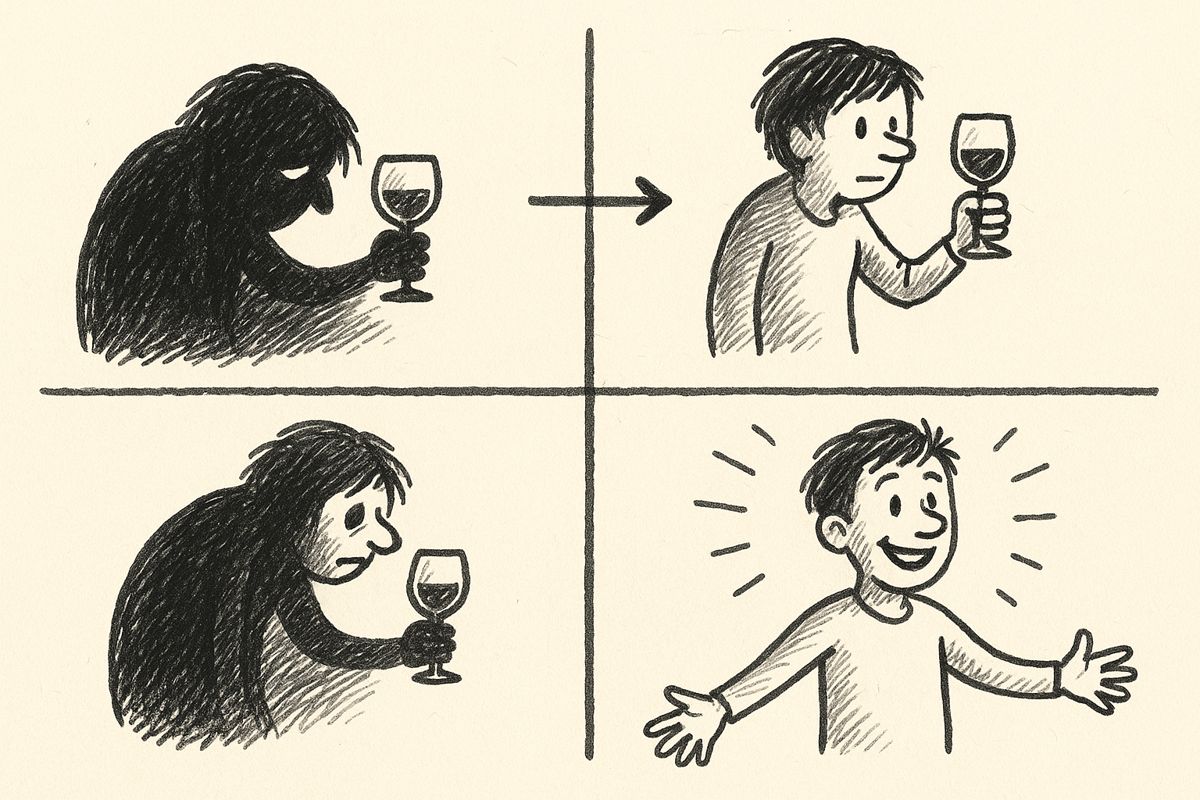
Here's the text with the most important phrase emphasized in markdown bold: Living alcoholfree isn't about missing out; it's about waking up to clear mornings, sharp senses, and an honest kind of joy. Despite what ads and old habits say, alcohol provides no real nourishment, only risk as the Journal of the American Medical Association points out, it raises the chance of disease and dims everyday pleasures. People unlearning the myth of alcohol discover that true contentment comes from genuine moments the cool bite of morning air, a mind at ease, laughter that lingers far longer than a buzz. Giving up drinking feels less like a loss, more like coming home to yourself. In the end, sobriety brings a lasting freedom, crisp and vivid as sunlight after rain.

Fueling Change: Sobriety, Innovation, and the Art of Breaking Old Chains

Fueling Change: Sobriety, Innovation, and the Art of Breaking Old Chains

Here's the text with the most important phrase emphasized in markdown bold: Choosing sobriety is like stepping into sunlight after years in a fog; suddenly, colors sharpen and mornings feel lighter. Cleanfuel technologies, such as airtogasoline breakthroughs from the Journal of Environmental Science & Technology, offer a similar escape from the suffocating grip of old habits, promising clearer skies and more freedom in how we live. When I stopped drinking, I noticed my wallet grew fatter and my friendships grew deeper, a direct echo of how shifting to cleaner energy lets communities reclaim control from fossil fuel giants. The data is clear less alcohol means healthier hearts and truer connections, and innovations in energy can turn yesterday's waste into tomorrow's power. Both choices demand courage, but the rewards health, honesty, and hope are real and immediate, like a breath of fresh air after a long, smoky night.

The Overlooked Dangers: Modern Life, Liver Disease, and Alcohol

The Overlooked Dangers: Modern Life, Liver Disease, and Alcohol

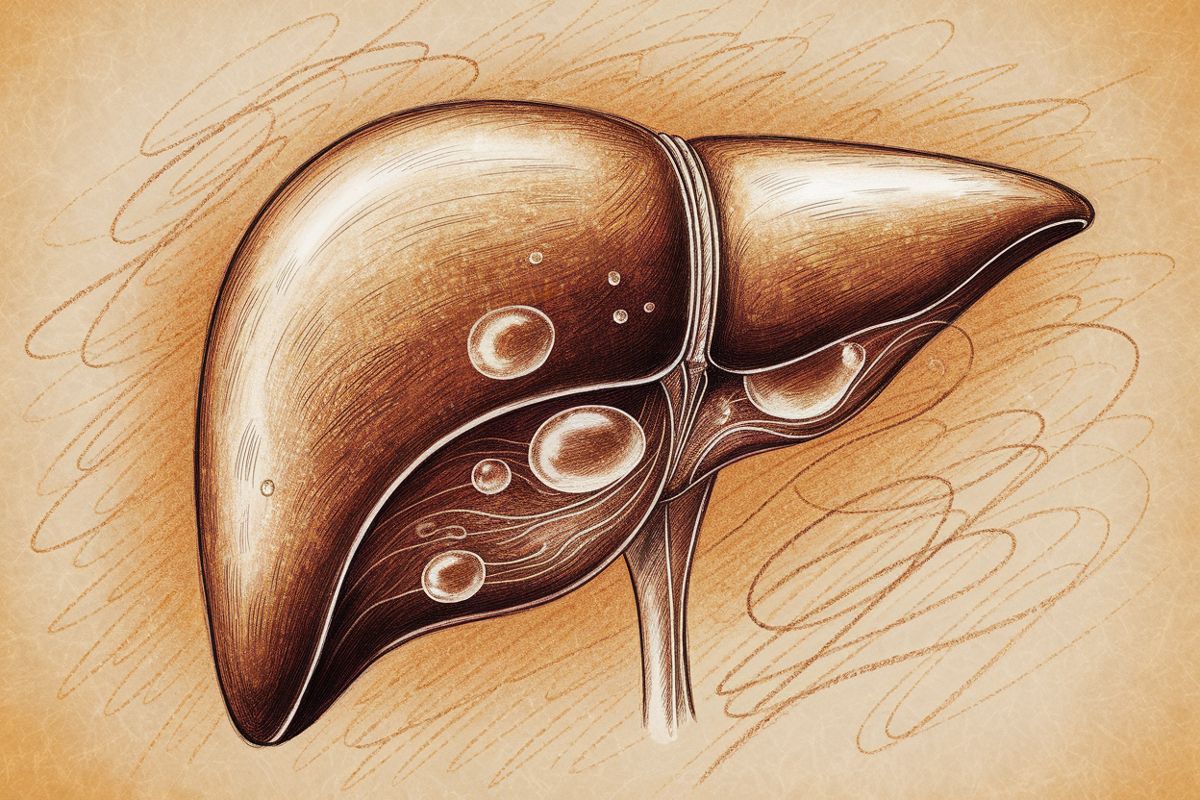
Modern life's hidden health trap lies in mixing alcohol with metabolic problems like obesity and diabetes. A groundbreaking study reveals that drinking beyond recommended limits dramatically increases liver damage risk, especially for people with underlying health conditions. Experts warn that the Western diet, combined with alcohol consumption, creates a dangerous cocktail that can silently harm the liver. The research challenges popular perceptions about "moderate" drinking and highlights how seemingly small choices can have significant longterm health consequences. By understanding these risks and making intentional choices, individuals can protect their liver and overall health.

WHO's Multisectoral Approach Transforms Addiction Prevention in Nepal

WHO's Multisectoral Approach Transforms Addiction Prevention in Nepal

Nepal is transforming addiction prevention through a groundbreaking WHOled approach that unites different sectors to fight substance abuse. Law enforcement, transportation authorities, and community groups are working together to reduce alcohol consumption and promote wellness. The innovative strategy includes extensive breath analyses, legal victories like the alcohol advertising ban, and comprehensive partnerships across health and social domains. By targeting root causes and creating collaborative networks, Nepal is setting a powerful example of holistic public health intervention. Their multisectoral approach shows how integrated efforts can effectively combat addiction and improve community wellbeing.

WHO Leads Global Effort to Reduce Alcohol-Related Harm Through Collaborative Framework

WHO Leads Global Effort to Reduce Alcohol-Related Harm Through Collaborative Framework

The World Health Organization is fighting hard to cut down alcohol harm around the world. Their big plan from 2022 to 2030 wants to stop people from drinking too much by working with different countries and understanding local problems. They're using smart science and looking at how alcohol hurts people's health in many ways. The plan isn't just about stopping drinking, but also helping communities and making sure each country can handle the problem in its own way. Their goal is to make the world healthier by dealing with alcohol in a careful, smart manner.

Global Alcohol Burden: WHO Report Calls for Action on Health Crisis and Treatment Gaps

Global Alcohol Burden: WHO Report Calls for Action on Health Crisis and Treatment Gaps

Alcohol is a global health crisis causing serious diseases like liver problems, cancer, and mental health issues. The World Health Organization's report reveals shocking patterns of drinking across different countries, showing how alcohol harms millions worldwide. Wealthy nations drink more, but poorer countries suffer worse health consequences, creating a complex challenge for treatment and prevention. Beyond physical health, alcohol increases risks of accidents, violence, and social problems, devastating families and communities. Urgent action is needed to address treatment gaps and implement effective strategies to reduce alcoholrelated harm.

Digital Media Campaign Successfully Educates Young Adults About Opioid Dangers

Digital Media Campaign Successfully Educates Young Adults About Opioid Dangers

A powerful digital media campaign aimed at young adults successfully educated them about opioid risks, achieving an impressive 56% content recall. By sharing authentic stories across social media platforms, the campaign increased participants' understanding of addiction dangers by 50%. The initiative not only raised awareness but also motivated young adults to seek more information, with a 6075% increase in likelihood of further research. Targeting regions with high opioid misuse rates, the campaign demonstrated the potential of digital storytelling in public health communication. These results offer hope in combating the opioid crisis among vulnerable young populations.

Digital Interventions Tackle Teen Drinking Games: New Hope for Reducing Alcohol Consumption

Digital Interventions Tackle Teen Drinking Games: New Hope for Reducing Alcohol Consumption

Here's a summary with the most important phrase in bold: Teenage drinking poses a significant risk to youth development, with millions experimenting with alcohol and engaging in dangerous binge drinking. A groundbreaking digital intervention called eCHECKUP TO GO offers personalized, technologydriven strategies to help teenagers make safer alcohol consumption choices. By providing customized feedback through interactive technology, the program successfully reduced alcohol quantities during drinking games without completely stopping participation. The research highlights the importance of harm reduction approaches that meet teenagers in their digital comfort zone. This innovative approach demonstrates potential for addressing youth drinking behaviors through targeted, nonjudgmental digital guidance.

The Sobering Truth: Understanding Alcohol's Hidden Dangers

The Sobering Truth: Understanding Alcohol's Hidden Dangers

Alcohol is a dangerous substance that can cause serious health problems, silently damaging your body and mind. Even small amounts of drinking can lead to liver disease, cancer, and brain damage, with no truly safe level of consumption. The substance tricks your brain by releasing dopamine, creating a false sense of pleasure and relaxation while gradually destroying your health. Society often celebrates alcohol, making it hard for people to recognize its true risks and harmful effects. Understanding these hidden dangers is crucial for making smart choices about drinking and protecting your longterm wellbeing.

Digital Media Campaign Transforms Young Adults' Opioid Perceptions

Digital Media Campaign Transforms Young Adults' Opioid Perceptions

A powerful digital media campaign transformed young adults' understanding of opioid risks through real, emotional stories on social media platforms. The campaign effectively reached 1825 yearolds by sharing authentic personal narratives about addiction on Instagram and YouTube. By strategically targeting this vulnerable age group, the initiative dramatically improved participants' knowledge about prescription opioid dangers. Participants showed increased awareness of addiction risks and stronger intentions to avoid potential misuse. The study proves digital media can be a powerful tool for public health prevention strategies.